Samir Hmicho
Syrian-born automotive industrialist and EV pioneer, leading a new chapter of electric mobility between the UK, the Middle East, and Syria.
For more than two decades, Samir Hmicho has been building factories, brands, and mobility ecosystems that connect global technology with emerging markets. From early car manufacturing in Syria to launching Innovation Automotive in the UK and founding 77 Auto and Electro Taxi in Damascus, his story is about rebuilding industry where the world least expects it.
“Emerging markets deserve a seat at the electric-mobility table. Syria is no exception.”
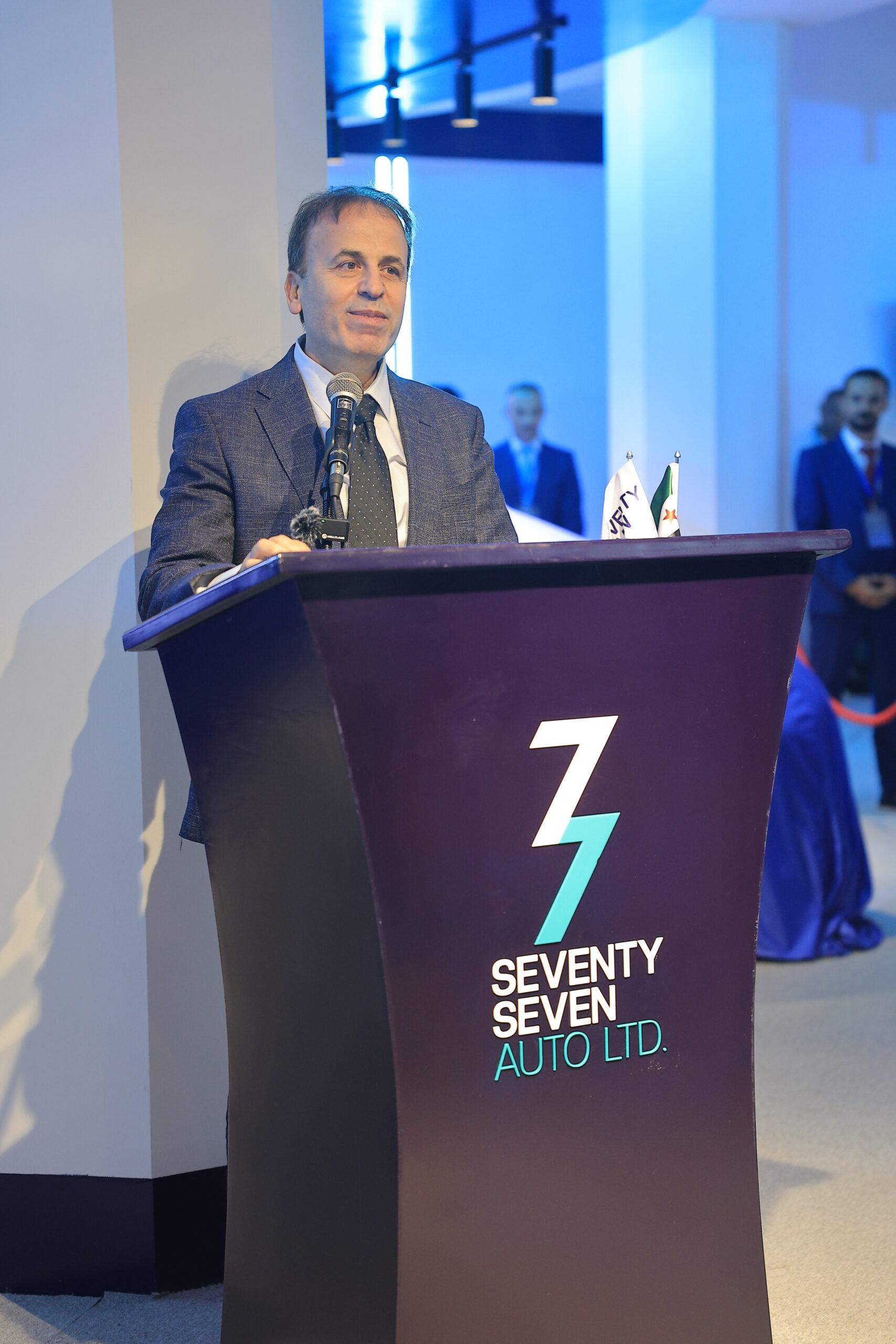
 Samir Hmicho
Who Is Samir Hmicho?
Born in Syria in 1972, Samir Hmicho has spent over 25 years in the automotive and industrial technology sectors. Before the war, his group operated Hmisho Automotive, assembling passenger cars in Syria. After the conflict disrupted production, he rebuilt his industrial footprint abroad and then returned to manufacturing with a new focus: electric mobility.
In 2017 he founded Innovation Automotive in the United Kingdom, the country’s first multi-brand distributor dedicated to electric and hybrid vehicles, partnering with leading Chinese manufacturers including Seres, Skywell, and DFSK to introduce affordable EVs to the British market.
In parallel, he launched a pioneering EV ecosystem in Syria: 77 Seventy Seven Auto, the first full-service EV dealership in Damascus, and Electro Taxi Syria, the country’s first app-based taxi service operating entirely on electric vehicles.
- Origin: Syrian entrepreneur, born 1972.
- Base: Splits time between the UK, Turkey, and Syria.
- Key Titles: Chairman & CEO, Innovation Automotive (UK); Founder, 77 Auto & Electro Taxi Syria.
- Focus: Electric mobility, industrial recovery, cross-border manufacturing.
- Previous Experience: Legacy car manufacturing in Syria before the war; long-term partnerships with Chinese OEMs.
A Vision for Electric Mobility: Global, Regional, Syrian
Hmicho’s core question is simple: Why should emerging markets wait to become consumers, when they can become producers? While EV adoption in Europe and China is driven by incentives and high-end technology, his strategy centers on scalable, practical manufacturing that fits the realities of countries like Syria.
Globally, he argues that the next wave of EV growth will come from “unexpected geographies” — countries with affordable labour, existing industrial zones, and a pressing need for efficient, low-maintenance transport. In the Middle East, he sees EVs as both an energy transition tool and an industrial-policy lever that can create new supply chains, engineering jobs, and export capacity.
“We don’t need to copy Tesla or BYD. We need to build what our region truly needs — simple, robust, low-cost EVs that can become the daily bread of the market.”

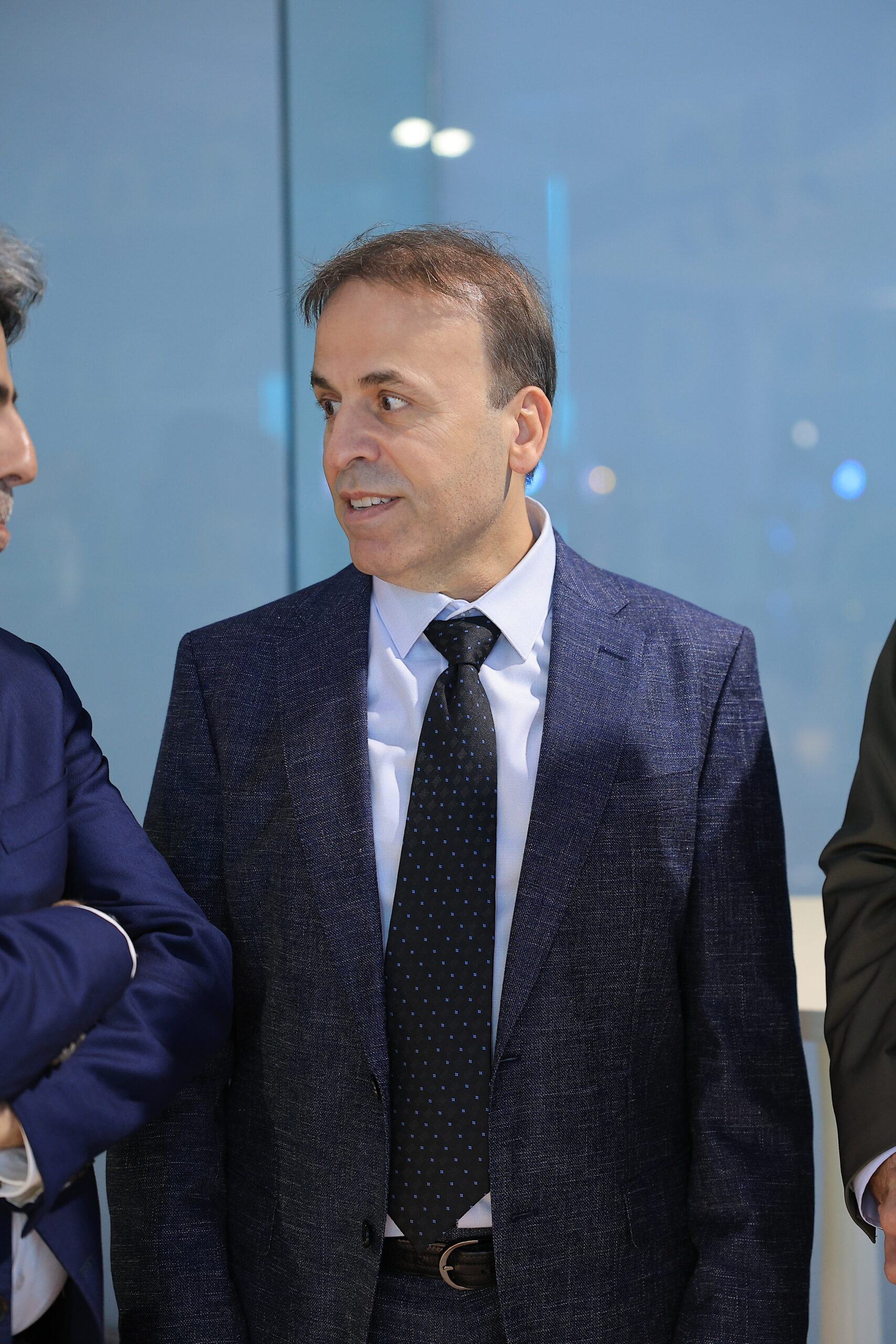
From trade shows in Europe to factory floors and showrooms in Damascus, his work links global EV technology with local industrial capacity.
Why Syria Is a Special Case
Syria is one of the least obvious places to talk about the future of electric mobility — yet that is exactly why Hmicho calls it his “core point of change” for the region. After more than a decade of war, the country faces a broken transport system, fragile infrastructure, and high youth unemployment. Instead of treating these as reasons to delay, he frames them as reasons to start.
His model combines SKD assembly today (semi-knocked-down kits) with a roadmap to full CKD production, using modern lines installed in Syria and supported by Chinese technical partners. The goal is not just to sell EVs, but to rebuild an industrial culture and a skilled workforce around them.
- Infrastructure & Electricity: War-damaged grid and roads create demand for efficient, low-maintenance fleets and smarter planning.
- Reconstruction: New factories, logistics hubs, and transport corridors are being defined now — EVs can be baked into the rebuild from day one.
- Youth Unemployment: Industrial projects in EV assembly, diagnostics, and after-sales can absorb thousands of technicians and engineers through structured training.
- Industrial Zones: Existing industrial areas and legacy automotive sites provide a base for rapid re-tooling.
- Regional Role: With the right support, Syria can evolve from a fragile market into a regional export base for affordable EVs and components.
What’s the Story? Key News & Angles for Reporters
The Samir Hmicho story is not just “EVs in a difficult market.” It is a multi-country industrial play linking policy, skills, and manufacturing. Depending on your outlet and audience, the angle can be business, technology, or human-driven reconstruction.
- Industrial Comeback in Syria: Re-starting car manufacturing through modern EV assembly lines, with a path from SKD to full CKD and an annual capacity planned in the tens of thousands of units.
- 77 Auto & Electro Taxi Ecosystem: How a single entrepreneur built Syria’s first full-service EV dealership and app-based electric taxi fleet — turning a fragile market into a live testbed for clean mobility.
- Regional Manufacturing Network: Plans for EV assembly facilities in Turkey and neighbouring markets, using Syria as a cornerstone of a wider Middle Eastern EV supply chain.
- Skills & Training Pipeline: Joint training programs with Chinese partners, sending Syrian technicians abroad and bringing experts into local plants to transfer know-how in both manufacturing and after-sales service.
- Policy & Vision Paper: A developing framework for how emerging markets can leapfrog in EV adoption by combining small-scale assembly plants, targeted incentives, and public-transport electrification.
Local assembly of conventional vehicles in Syria sets the foundation for future industrial know-how.
Multi-brand EV distributor model launched, connecting Chinese EVs with British consumers and after-sales networks.
First EV dealership and first electric taxi service in Syria begin reshaping everyday mobility in Damascus.
Scaling SKD/CKD assembly, supplier localization, and training programs to turn a war-torn market into a regional EV production hub.
Context & Talking Points at a Glance
- Sector: Electric vehicles, sustainable mobility, automotive manufacturing.
- Geography: UK (distribution), Syria (manufacturing & operations), Turkey (planned assembly), wider Middle East (export focus).
- Business Model: Multi-brand EV distribution + local assembly plants + vertically integrated after-sales and mobility services.
- Social Impact: Job creation for engineers and technicians, cleaner urban air, and new industrial skills in a post-conflict context.
- Partnerships: Long-term collaboration with Chinese OEMs; cooperation with local authorities, planners, and universities.
Press Resources & Contact
High-resolution photos, extended biography, logos, and additional background materials are available on request. Interviews can be arranged in English or Arabic, in person or online, depending on location and schedule.
- Professional headshots and on-site factory/showroom photography.
- Detailed timeline of manufacturing projects in Syria, the UK, and the region.
- Talking points on EV policy, industrial recovery, and youth employment.
- Case studies from 77 Auto and Electro Taxi Syria.
Media Contact
Ayham Bek
Media Manager – Office of Samir Hmicho
ayham@samirhmicho.com
samirhmicho.com
London • Antalya • Damascus
Innovation • Sustainability • Storytelling